
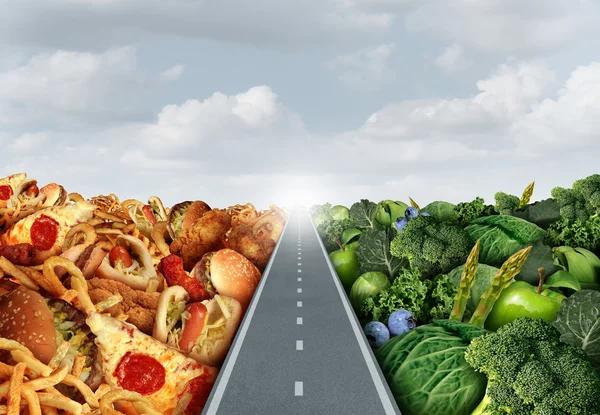
In exploring the nutritional nuances of fitness supplements, a recent website sparked my curiosity about how different protein sources and everyday vegetables fit into a balanced diet. The article inspired me to delve deeper into the debate of hemp vs whey protein and the caloric content of roasted Brussels sprouts to provide a fresh perspective.
Hemp vs Whey Protein: A Nutritional Face-Off
When it comes to supplements, choosing between hemp and whey protein can be a perplexing decision for fitness enthusiasts. Each has its own unique benefits, and understanding these can help one make an informed choice. Hemp protein, derived from the seeds of the hemp plant, is a plant-based option rich in fiber and essential fatty acids. It is particularly appealing to vegetarians and vegans seeking a complete protein source with all nine essential amino acids.
On the other hand, whey protein, sourced from milk, is a popular supplement among those looking to build muscle and recover post-workout. It is known for its high protein content and quick absorption rate, which makes it ideal for post-exercise consumption. While both proteins serve different dietary needs, the choice between hemp and whey often boils down to personal dietary preferences and lifestyle choices.
Understanding Caloric Content in Roasted Brussels Sprouts
Brussels sprouts, often viewed as a superfood, are a staple in many healthy diets. Yet, understanding the calories in roasted Brussels sprouts can be essential for those monitoring their intake. Roasting Brussels sprouts with olive oil not only enhances their flavor but also slightly increases their caloric content. A common serving of roasted Brussels sprouts with olive oil contains about 150 calories per cup. The added calories come primarily from the olive oil, which provides healthy monounsaturated fats.
For those interested in more specific counts, the calories in 10 Brussels sprouts can vary based on size and preparation method. On average, one roasted Brussels sprout has approximately 10-15 calories, so a serving of ten sprouts would typically range from 100 to 150 calories.
Balancing Protein and Vegetables in a Fitness Diet
Incorporating both protein sources and vegetables like Brussels sprouts into a fitness diet can provide a myriad of health benefits. While protein is crucial for muscle repair and growth, vegetables offer essential vitamins and minerals. The combination of these elements creates a balanced approach to nutrition, supporting overall health and fitness goals.
Practical Takeaway
When deciding between hemp vs whey protein, consider personal dietary restrictions and fitness goals. Hemp protein offers a plant-based alternative rich in nutrients, while whey protein is excellent for quick muscle recovery. As for roasted Brussels sprouts, they are a nutritious, calorie-conscious addition to any meal, particularly when prepared with olive oil for added flavor and health benefits. By understanding these components, individuals can better tailor their nutrition to support their fitness journey.